Better
Better
Workflows
Decisions
Outcomes
Workflows
Workflows
Decisions
Outcomes
Workflows

Blog
Building Data That Evolves With Your Business
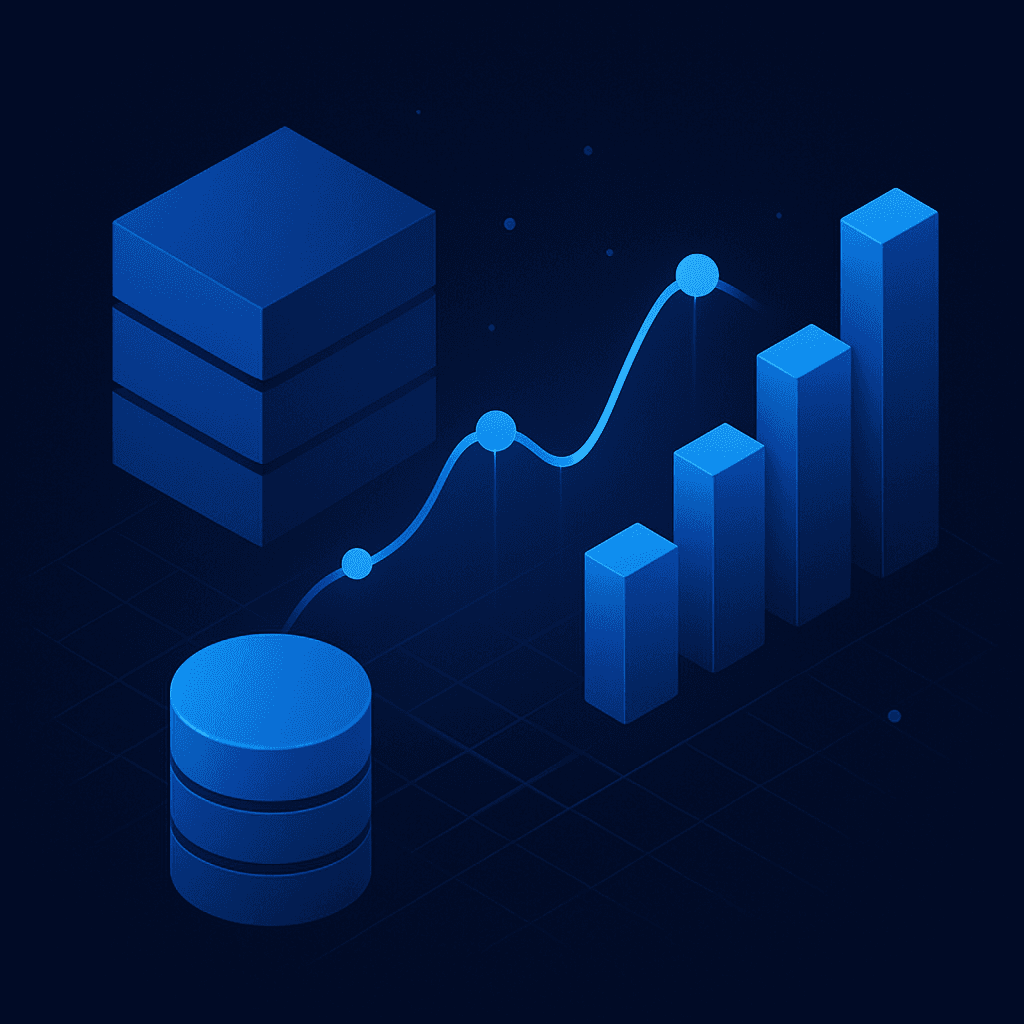
Most organizations don’t suffer from a lack of data—they suffer from data that can’t adapt. Adaptive Data Foundations focus on structuring fragmented, messy, and fast-growing data into systems that remain reliable as tools, teams, and scale change. At ProtoLeap, we design data foundations that are flexible by design, resilient to change, and ready for analytics, automation, and AI from day one.
Read More
Blog
Building Data That Evolves With Your Business
Most organizations don’t suffer from a lack of data—they suffer from data that can’t adapt. Adaptive Data Foundations focus on structuring fragmented, messy, and fast-growing data into systems that remain reliable as tools, teams, and scale change. At ProtoLeap, we design data foundations that are flexible by design, resilient to change, and ready for analytics, automation, and AI from day one.
Read More
Blog
Designing Systems That Actually Talk to Each Other
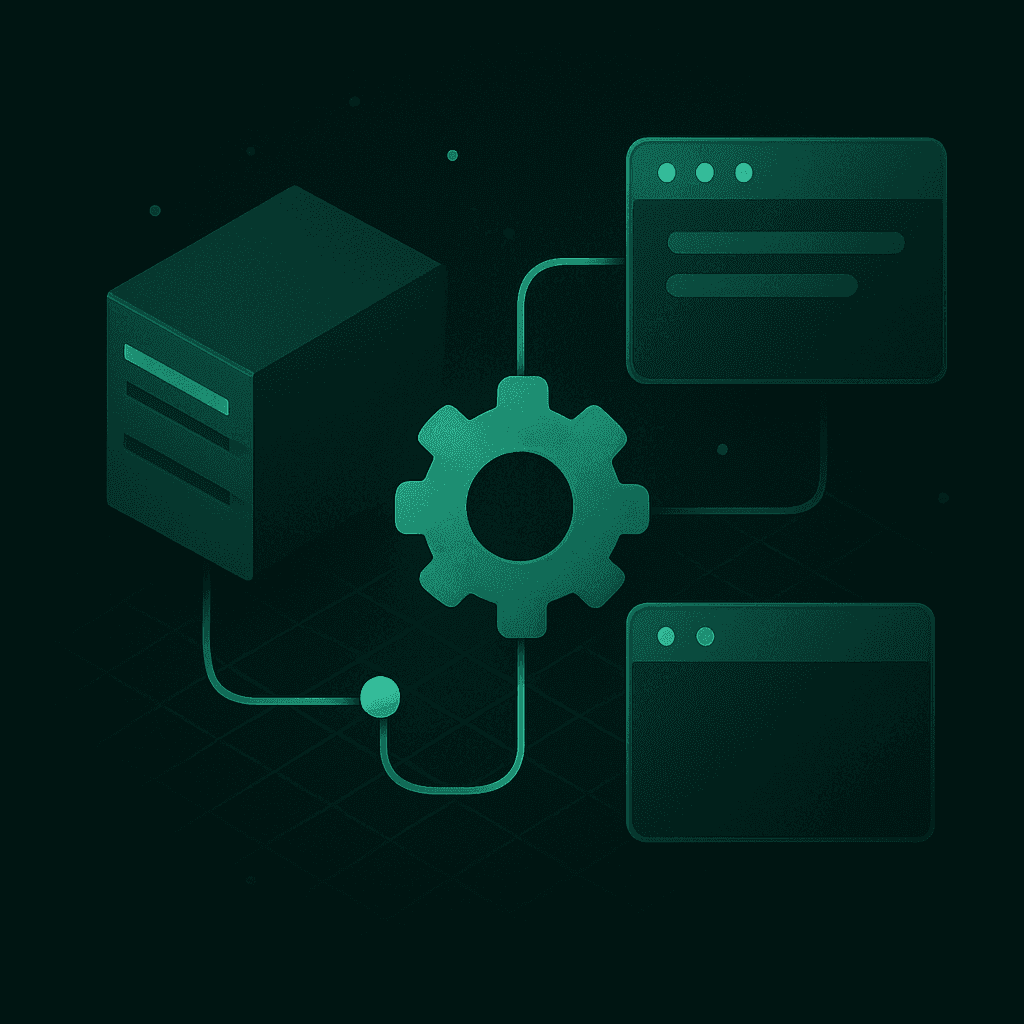
Modern businesses run on dozens of platforms, but value is lost when those systems operate in isolation. Interoperable Systems Fabric is about creating seamless, durable connections between tools, workflows, and teams—without fragile point-to-point integrations. We architect systems where data flows predictably, changes are absorbed gracefully, and operations stay connected as the stack evolves.
Read More
Blog
Designing Systems That Actually Talk to Each Other
Modern businesses run on dozens of platforms, but value is lost when those systems operate in isolation. Interoperable Systems Fabric is about creating seamless, durable connections between tools, workflows, and teams—without fragile point-to-point integrations. We architect systems where data flows predictably, changes are absorbed gracefully, and operations stay connected as the stack evolves.
Read More
Blog
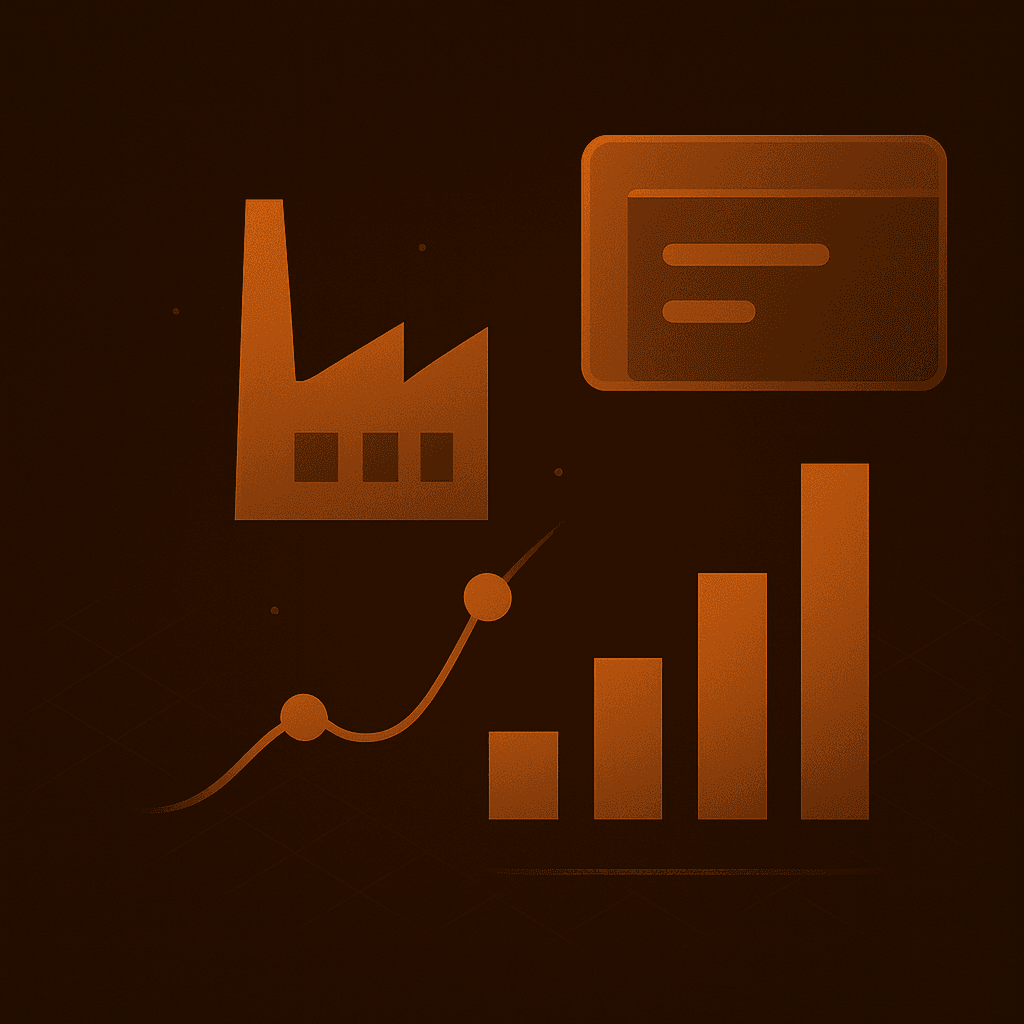
Industrial Intelligence bridges the gap between what’s happening on the ground and what decision-makers need to know. By connecting production systems, hardware signals, and operational data, we transform raw activity into actionable insight. The result is visibility that doesn’t just report the past—but actively informs what to do next.
Industrial Intelligence bridges the gap between what’s happening on the ground and what decision-makers need to know. By connecting production systems, hardware signals, and operational data, we transform raw activity into actionable insight. The result is visibility that doesn’t just report the past—but actively informs what to do next.
Read More
Blog
Industrial Intelligence bridges the gap between what’s happening on the ground and what decision-makers need to know. By connecting production systems, hardware signals, and operational data, we transform raw activity into actionable insight. The result is visibility that doesn’t just report the past—but actively informs what to do next.
Industrial Intelligence bridges the gap between what’s happening on the ground and what decision-makers need to know. By connecting production systems, hardware signals, and operational data, we transform raw activity into actionable insight. The result is visibility that doesn’t just report the past—but actively informs what to do next.
Read More
Services
Data Modeling & Schema Design
Data Modeling & Schema Design
Data Modeling & Schema Design
We design data models that reflect how your business actually operates—not how tools expect it to. Schemas are structured for clarity, traceability, and evolution, enabling analytics, integrations, and automation without constant rewrites as workflows, entities, and relationships grow or change.
We design data models that reflect how your business actually operates—not how tools expect it to. Schemas are structured for clarity, traceability, and evolution, enabling analytics, integrations, and automation without constant rewrites as workflows, entities, and relationships grow or change.
AI-Ready Data Pipelines
AI-Ready Data Pipelines
AI-Ready Data Pipelines
AI readiness starts long before models. We build data pipelines that produce clean, consistent, well-contextualized data—structured for learning, inference, and automation. These pipelines support batch and real-time use cases, ensuring your data can power AI systems reliably, not experimentally.
AI readiness starts long before models. We build data pipelines that produce clean, consistent, well-contextualized data—structured for learning, inference, and automation. These pipelines support batch and real-time use cases, ensuring your data can power AI systems reliably, not experimentally.
Migration from Legacy or Fragmented Data Systems
Migration from Legacy or Fragmented Data Systems
Migration from Legacy or Fragmented Data Systems
Legacy systems often trap valuable data in rigid or disconnected structures. We migrate data safely and deliberately—preserving history, meaning, and integrity—while modernizing schemas and workflows. The result is continuity without carryover chaos, and a foundation built for future growth.
Legacy systems often trap valuable data in rigid or disconnected structures. We migrate data safely and deliberately—preserving history, meaning, and integrity—while modernizing schemas and workflows. The result is continuity without carryover chaos, and a foundation built for future growth.
Systems Integration Strategy
Systems Integration Strategy
Systems Integration Strategy
Integrations fail when they’re tactical instead of architectural. We define a systems integration strategy that clarifies ownership, data contracts, and flow direction before building connections. This ensures integrations are resilient, observable, and adaptable—supporting change without constant breakage or rework.
Integrations fail when they’re tactical instead of architectural. We define a systems integration strategy that clarifies ownership, data contracts, and flow direction before building connections. This ensures integrations are resilient, observable, and adaptable—supporting change without constant breakage or rework.
Cross-Platform Process Synchronization
Cross-Platform Process Synchronization
Cross-Platform Process Synchronization
Processes rarely live in one system. We synchronize workflows across platforms so actions, states, and data remain consistent everywhere they appear. This eliminates manual reconciliation, reduces operational drift, and ensures teams across tools are always working from the same operational reality.
Processes rarely live in one system. We synchronize workflows across platforms so actions, states, and data remain consistent everywhere they appear. This eliminates manual reconciliation, reduces operational drift, and ensures teams across tools are always working from the same operational reality.
API & Event-Driven Workflows
API & Event-Driven Workflows
API & Event-Driven Workflows
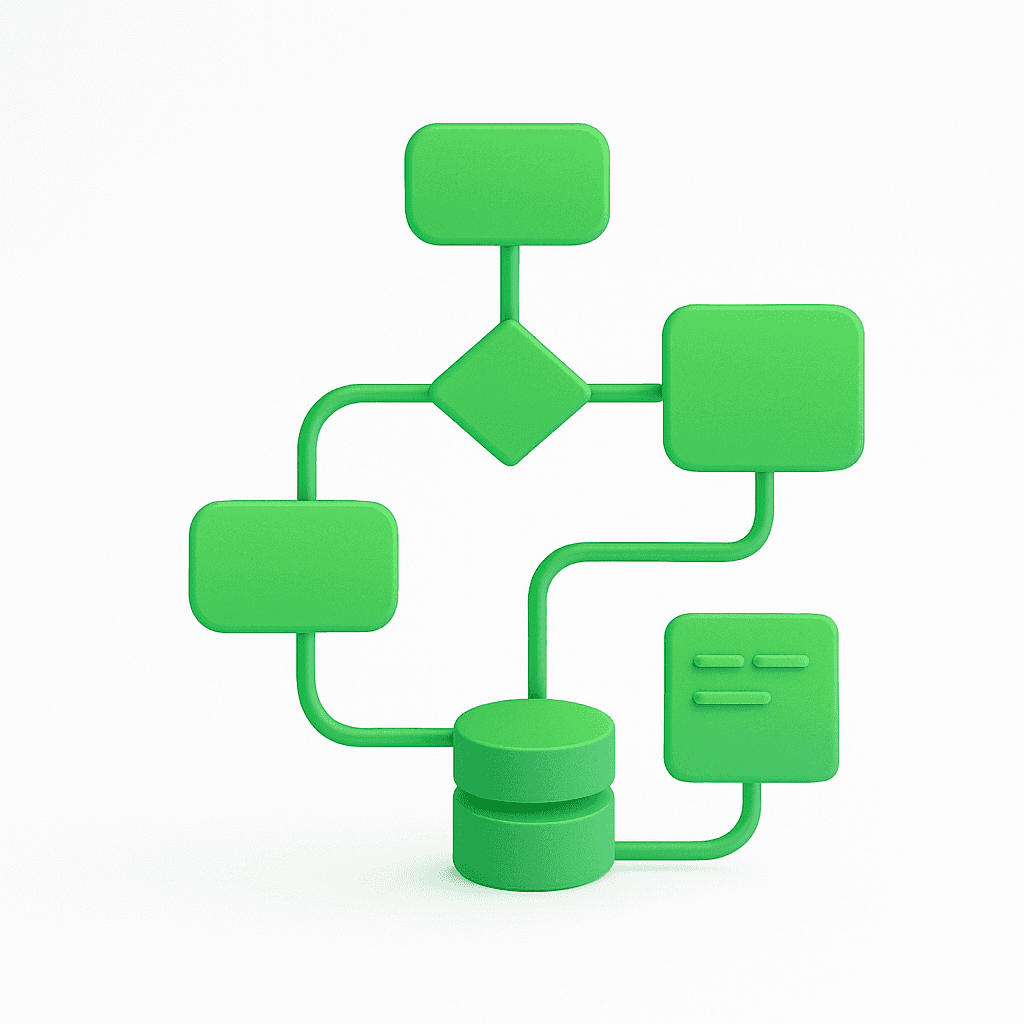
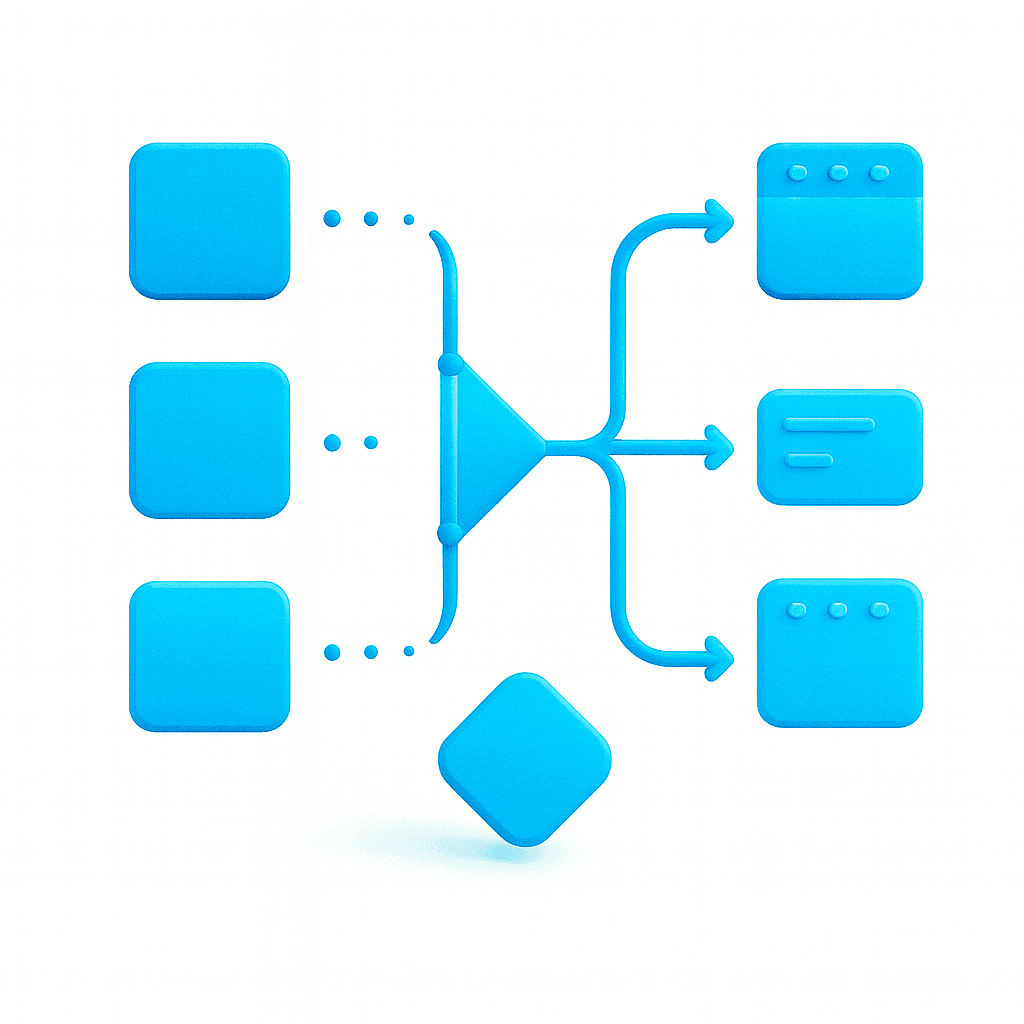
We design APIs and event-driven architectures that allow systems to react, not poll. By defining clear events, triggers, and contracts, workflows become responsive and scalable. This enables automation, real-time updates, and loosely coupled systems that evolve independently without breaking behavior.
We design APIs and event-driven architectures that allow systems to react, not poll. By defining clear events, triggers, and contracts, workflows become responsive and scalable. This enables automation, real-time updates, and loosely coupled systems that evolve independently without breaking behavior.
Hardware + Software Data Integration
Hardware + Software Data Integration
Hardware + Software Data Integration
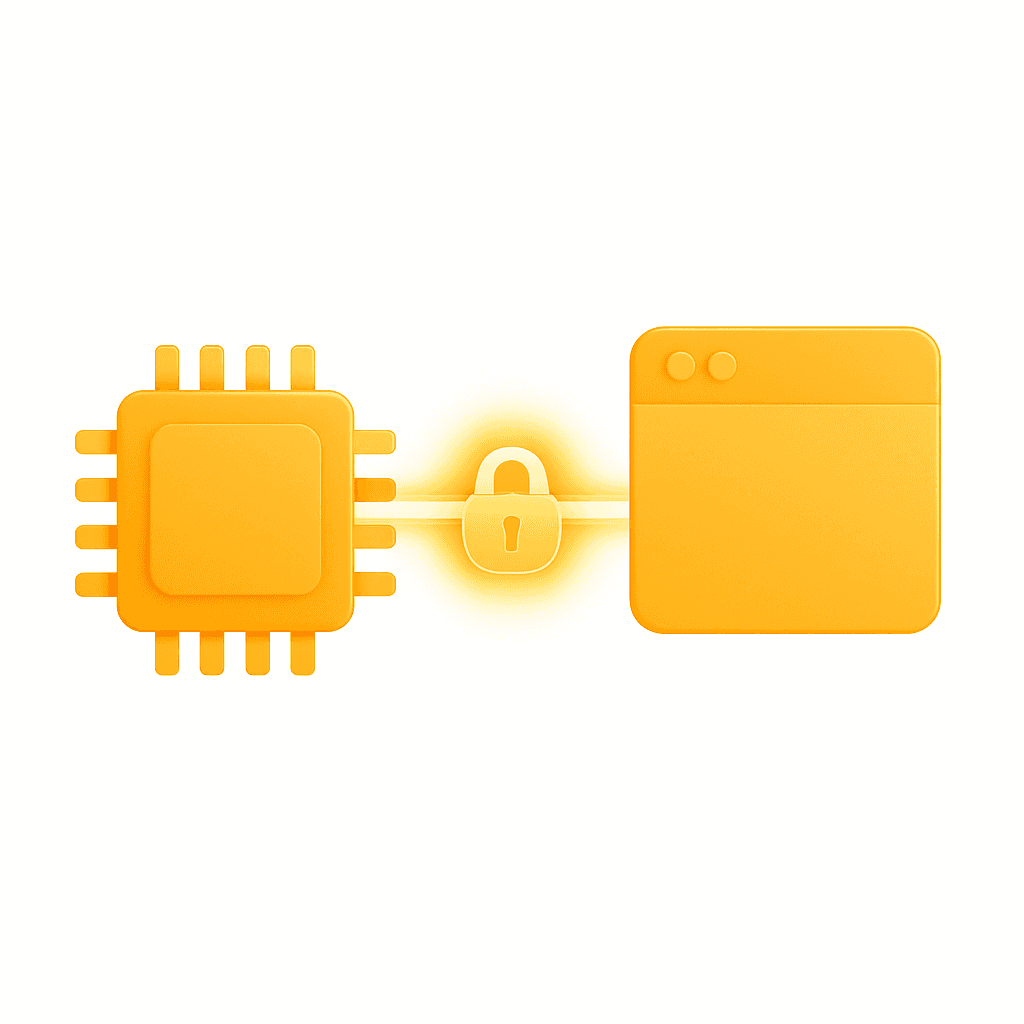
Operational truth often originates in machines, not software. We integrate hardware signals with software systems to capture production, movement, and state changes at the source. This bridges the physical and digital layers, enabling accurate monitoring, traceability, and intelligent downstream decision-making.
Operational truth often originates in machines, not software. We integrate hardware signals with software systems to capture production, movement, and state changes at the source. This bridges the physical and digital layers, enabling accurate monitoring, traceability, and intelligent downstream decision-making.
Production Control Systems
Production Control Systems
Production Control Systems
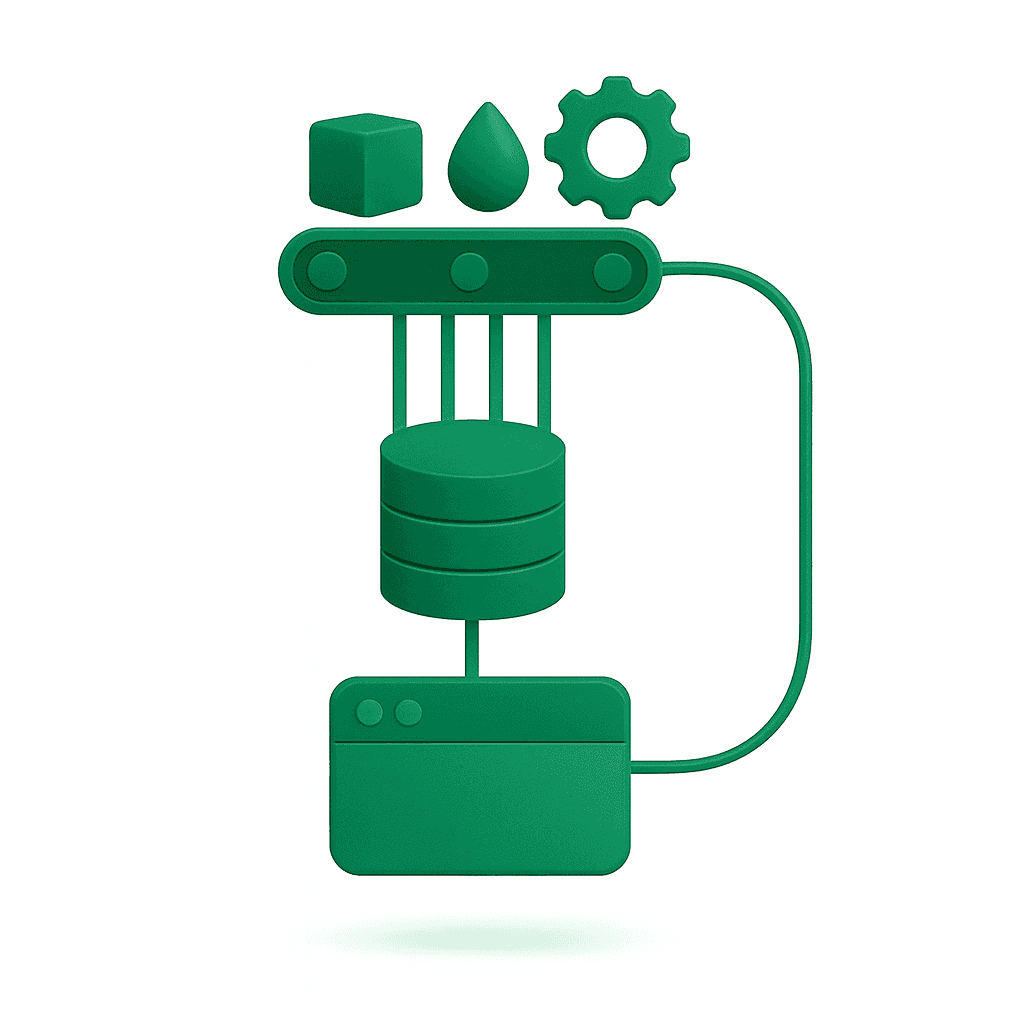
We build production control systems that reflect real-world constraints, not idealized flows. These systems track work-in-progress, states, dependencies, and exceptions—providing operators and planners with clarity, control, and responsiveness across production stages without introducing unnecessary complexity.
We build production control systems that reflect real-world constraints, not idealized flows. These systems track work-in-progress, states, dependencies, and exceptions—providing operators and planners with clarity, control, and responsiveness across production stages without introducing unnecessary complexity.
Real-Time Operation Dashboards
Real-Time Operation Dashboards
Real-Time Operation Dashboards
Dashboards should drive action, not just awareness. We design real-time operational dashboards that surface the right metrics at the right moment—aligned to decisions teams actually make. The focus is signal over noise, enabling faster responses and continuous operational improvement.
Dashboards should drive action, not just awareness. We design real-time operational dashboards that surface the right metrics at the right moment—aligned to decisions teams actually make. The focus is signal over noise, enabling faster responses and continuous operational improvement.
Our Approach
We take a systems-first approach to designing data platforms, integrations, and operational intelligence. Our work is grounded in real-world processes and structured to support scale, change, and long-term reliability.
We take a systems-first approach to designing data platforms, integrations, and operational intelligence. Our work is grounded in real-world processes and structured to support scale, change, and long-term reliability.
1. Operational Reality
We start by instrumenting and analyzing how data is actually generated and consumed across systems—ERPs, MRPs, production equipment, operator inputs, spreadsheets, and ad-hoc tools. This includes identifying system-of-record boundaries, data latency, manual overrides, failure modes, and reconciliation gaps. Understanding these operational truths is critical to designing systems that survive real throughput, partial failures, and human intervention.

1. Operational Reality
We start by instrumenting and analyzing how data is actually generated and consumed across systems—ERPs, MRPs, production equipment, operator inputs, spreadsheets, and ad-hoc tools. This includes identifying system-of-record boundaries, data latency, manual overrides, failure modes, and reconciliation gaps. Understanding these operational truths is critical to designing systems that survive real throughput, partial failures, and human intervention.
FAQ
What types of companies do you typically work with?
We work with operations-heavy organizations—manufacturing, supply chain, logistics, and data-intensive businesses—where multiple systems, processes, and teams must operate in sync. This includes companies dealing with ERP/MRP/MES complexity, fragmented data, or scaling operational workflows.
What technologies and platforms do you use?
We work across a broad range of enterprise and industrial platforms, including ERPs, MRPs, databases, cloud platforms, event systems, analytics stacks, and operational software. Our approach is platform-agnostic—we design systems based on requirements, constraints, and longevity, not tool preference.
How do you handle legacy systems and messy data?
Legacy systems and fragmented data are common. We prioritize preserving operational continuity and historical integrity while gradually introducing cleaner schemas, integration layers, and modern data flows. Migration is treated as a controlled engineering process, not a one-time data dump.
Do you build AI or machine learning solutions?
We enable AI by building AI-ready foundations. That includes clean data pipelines, structured schemas, event streams, and feedback loops. When AI is appropriate, we help integrate it into operational workflows—but only where it delivers real, measurable value.
How is this different from implementing dashboards or BI tools?
Dashboards are an output, not the system. We focus on how data is generated, structured, connected, and fed back into operations. Without that foundation, dashboards quickly become stale, misleading, or ignored.
Can you work with manufacturing and shop-floor systems?
Yes. We regularly work with production data, batch and lot tracking, equipment states, operator inputs, QC data, and logistics flows. Our designs account for latency, manual overrides, rework, and real plant constraints—not idealized process models.
What types of companies do you typically work with?
We work with operations-heavy organizations—manufacturing, supply chain, logistics, and data-intensive businesses—where multiple systems, processes, and teams must operate in sync. This includes companies dealing with ERP/MRP/MES complexity, fragmented data, or scaling operational workflows.
What technologies and platforms do you use?
We work across a broad range of enterprise and industrial platforms, including ERPs, MRPs, databases, cloud platforms, event systems, analytics stacks, and operational software. Our approach is platform-agnostic—we design systems based on requirements, constraints, and longevity, not tool preference.
How do you handle legacy systems and messy data?
Legacy systems and fragmented data are common. We prioritize preserving operational continuity and historical integrity while gradually introducing cleaner schemas, integration layers, and modern data flows. Migration is treated as a controlled engineering process, not a one-time data dump.
Do you build AI or machine learning solutions?
We enable AI by building AI-ready foundations. That includes clean data pipelines, structured schemas, event streams, and feedback loops. When AI is appropriate, we help integrate it into operational workflows—but only where it delivers real, measurable value.
How is this different from implementing dashboards or BI tools?
Dashboards are an output, not the system. We focus on how data is generated, structured, connected, and fed back into operations. Without that foundation, dashboards quickly become stale, misleading, or ignored.
Can you work with manufacturing and shop-floor systems?
Yes. We regularly work with production data, batch and lot tracking, equipment states, operator inputs, QC data, and logistics flows. Our designs account for latency, manual overrides, rework, and real plant constraints—not idealized process models.
What types of companies do you typically work with?
We work with operations-heavy organizations—manufacturing, supply chain, logistics, and data-intensive businesses—where multiple systems, processes, and teams must operate in sync. This includes companies dealing with ERP/MRP/MES complexity, fragmented data, or scaling operational workflows.
What technologies and platforms do you use?
We work across a broad range of enterprise and industrial platforms, including ERPs, MRPs, databases, cloud platforms, event systems, analytics stacks, and operational software. Our approach is platform-agnostic—we design systems based on requirements, constraints, and longevity, not tool preference.
How do you handle legacy systems and messy data?
Legacy systems and fragmented data are common. We prioritize preserving operational continuity and historical integrity while gradually introducing cleaner schemas, integration layers, and modern data flows. Migration is treated as a controlled engineering process, not a one-time data dump.
Do you build AI or machine learning solutions?
We enable AI by building AI-ready foundations. That includes clean data pipelines, structured schemas, event streams, and feedback loops. When AI is appropriate, we help integrate it into operational workflows—but only where it delivers real, measurable value.
How is this different from implementing dashboards or BI tools?
Dashboards are an output, not the system. We focus on how data is generated, structured, connected, and fed back into operations. Without that foundation, dashboards quickly become stale, misleading, or ignored.
Can you work with manufacturing and shop-floor systems?
Yes. We regularly work with production data, batch and lot tracking, equipment states, operator inputs, QC data, and logistics flows. Our designs account for latency, manual overrides, rework, and real plant constraints—not idealized process models.
Contact Us
Contact
Us